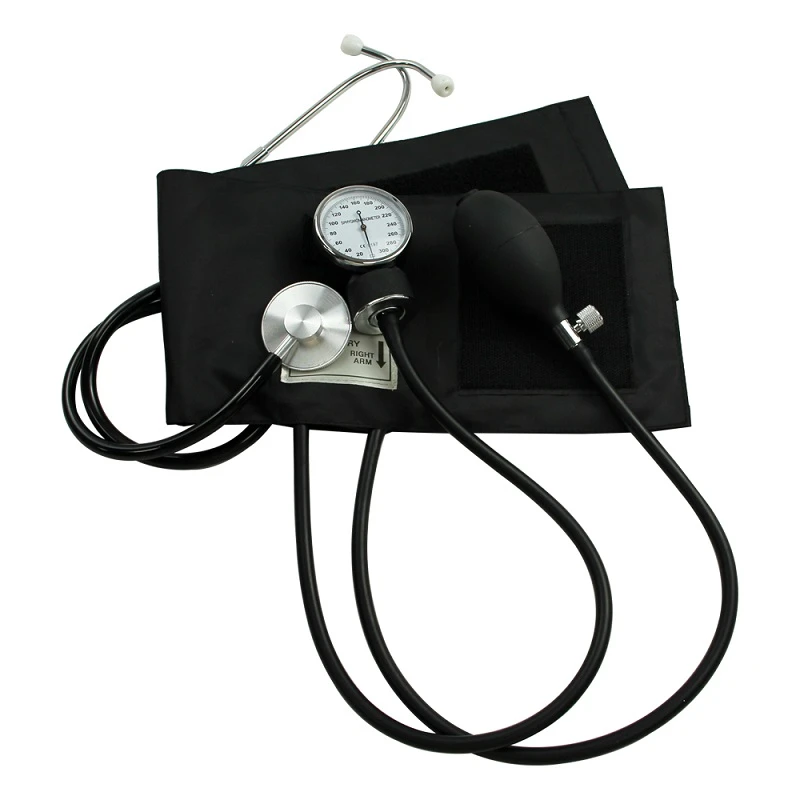
I. Daily Cleaning: Alcohol Wiping is Key
For common contamination: Wipe the diaphragm, earplugs, and tubing directly with a 75% alcohol wipe, keeping them moist for at least 30 seconds. This effectively kills common bacteria and viruses.
For obvious stains: For stains such as blood or sputum, clean with a medical cleaner first, then disinfect with alcohol.
Caution: Do not soak the diaphragm for extended periods to avoid damage.
II. Storage Environment: Dryness and Ventilation are Crucial
After use, store in a dry, clean place, avoiding contact with acids, alkalis, or corrosive substances.
It is recommended to hang it flat to prevent the tubing from tangling or coming into contact with other items.
III. Regular Professional Maintenance: Every 3-6 Months
Have it professionally inspected at a fitting center every 3-6 months, including ultrasonic cleaning or drying.
Regularly check the tubing, earpiece, and earplugs for damage and ensure proper connections.
IV. Special Scenarios: Frequent Cleaning in Humid Environments
In summer, when sweating is high: Wipe the outer shell frequently with a soft cloth to prevent corrosion.
Winter Condensation: Water easily accumulates in the sound tube of behind-the-ear stethoscopes. Remove it, shake dry, and then reinstall.
V. Common Misconceptions: Avoid These Pitfalls
Rinsing with Water: Stethoscopes are precision instruments and are easily damaged by water. Only wipe with alcohol.
Not Replacing the Desiccant: Color-changing silica gel desiccants must be replaced once they change color (e.g., from blue to pink). Regular desiccants should be replaced every 1-2 months.
Cleaning with Sharp Tools: Do not use toothpicks or hairpins to poke the sound holes, as this can easily damage them. Use a special small brush or cleaning hook.
VI. Summary: Three Steps to Maintenance
Daily Cleaning: Wipe with alcohol, keeping it moist for 30 seconds.
Professional Maintenance: Perform deep cleaning every 3-6 months.
Storage Environment: Dry and well-ventilated, avoid corrosion.