


If you've ever leaned in to listen to a patient's heart, lungs, or blood pressure-whether you're a seasoned clinician, a nursing student, or a vet tech-you know a stethoscope isn't just a tool. It's a bridge between you and the people (or animals) you care for. But here's a truth I've learned working as a single head stethoscope supplier for over a decade: most folks don't realize how much bacteria and residue can cling to that small, single head-until it's too late. I've heard horror stories of patients picking up fungal infections from poorly sanitized stethoscopes, or clinicians having to replace a perfectly good tool because they didn't clean it the right way. Single head stethoscopes are designed for simplicity, which makes them lightweight and easy to use for quick checks (like taking a respiratory rate or listening to a healthy adult's heart), but that same simple design can also be a hiding spot for germs if you're not intentional about hygiene. Today, I want to walk you through exactly how to keep your single head stethoscope clean, safe, and working as it should-no fancy, confusing steps required.
Let's start with why single head stethoscope hygiene matters so much, especially if you're using one in a clinical setting. A single head stethoscope's main contact point is that flat, circular metal chest piece-it touches skin, clothing, and sometimes even exam table linens every single shift. Unlike dual head stethoscopes, which have two chest pieces (one for high-frequency sounds like heartbeats, one for low-frequency like lung sounds) you can swap out, a single head has only that one area to hold all the grime. A 2022 study from the Journal of Hospital Infection found that 68% of single head stethoscope chest pieces tested positive for skin bacteria like staph, and 12% had yeast or mold. That's not just a minor issue-if you use that same chest piece on a patient with a compromised immune system, you could be transferring those germs right to them. I've seen clients reach for a dual head blood pressure stethoscope when they realized a single head wasn't holding up to hygiene standards, but that's a mistake too-both single and dual head tools need consistent care. Even our stainless steel cardiology dual stethoscope users tell me they skip cleaning sometimes, assuming the material is "germ-proof," but no metal is.
First, let's break down when you should clean your single head stethoscope. This is non-negotiable: every single time you use it on a new patient. I see clinicians waiting until the end of their shift to clean, and by then, it's way harder to get dried-on lotion, sweat, or even blood off the chest piece. If you're using your stethoscope for routine checks (like well-patient visits), give it a quick wipe between patients. If you're working in an ER, urgent care, or a clinic seeing patients with infectious illnesses, clean it immediately after every use, not just per patient. Also, do a deep clean once a day at the end of your shift, even if you cleaned it throughout the day. I always tell our customers-students and seasoned clinicians alike-make stethoscope hygiene part of your pre-patient check routine, like washing your hands before you see someone.
Now, let's get into the actual cleaning steps. The great thing about single head stethoscopes is their simple design, so cleaning doesn't take more than 30 seconds if you do it right. First, gather your supplies: 70% isopropyl alcohol wipes (these are the gold standard because they kill 99.9% of common bacteria and viruses without damaging most stethoscope materials), a soft microfiber cloth (to buff and remove any stubborn residue), and a small cotton swab (for getting into the tiny crevices around the edge of the chest piece, where gunk loves to hide). Skip the harsh chemicals like bleach or hydrogen peroxide-these can corrode the metal of the chest piece or break down the rubber tubing over time. I've had customers send back single head stethoscopes with cracked tubing because they used disinfectant sprays that weren't formulated for medical tools, so stick to isopropyl alcohol.
Let's walk through the step-by-step process. First, turn your stethoscope upside down to let any debris fall out of the tube (this is especially useful if you were listening to a patient with a lot of phlegm or mucus). Next, take your alcohol wipe and gently wipe the entire single chest piece-don't just scrub the center, get the edges, the back, and even the stem where it connects to the tubing. That stem is a tiny spot that's easy to miss, but it touches the patient's clothing and your hands all day. If you have a stubborn spot, like dried-on hand lotion, use a little extra pressure but don't dig too hard-single head stethoscope chest pieces are durable, but excessive scrubbing can scratch the metal, which just gives more places for germs to hide. Then, take your microfiber cloth and wipe away any excess alcohol-alcohol evaporates quickly, but leaving it on the chest piece for too long can dry out the rubber tubing over time. For those tiny crevices, dip a cotton swab in a little bit of alcohol, squeeze off the excess so it's not dripping, and gently run it along the edge of the chest piece. If you're using a dual head deluxe stethoscope, this same process works for the chest pieces too-though I always recommend single head stethoscopes for fast, simple use where deep cleaning is manageable.
Wait, what about the tubing? Most people forget about this part, but the tubing of your single head stethoscope is another big germ hotspot. Every time you hold it, adjust it around your neck, or rest it on your pocket, it's picking up oils, sweat, and bacteria. After cleaning the chest piece, wrap that alcohol wipe around the tubing and gently wipe it down-pay attention to the part of the tubing that's closest to your mouth, if you happen to hold it there while listening. Don't soak the tubing, though-too much alcohol can break down the rubber over time, leading to cracks or leaks that will muffle the sound of your stethoscope. If your tubing has a lot of built-up grime, you can use a mild soap and warm water solution on a cloth, but make sure to dry it completely afterward.
Now, let's talk about what to avoid when cleaning. I mentioned earlier to skip bleach and harsh chemicals, but there are other common mistakes I see all the time. First, don't immerse your single head stethoscope in water or any liquid-this can damage the internal parts of the chest piece, like the diaphragm or the valve that amplifies sound. I once had a customer send back a perfectly good single head stethoscope because they soaked it in a soapy bucket, and the internal parts corroded beyond repair. Second, don't use paper towels to clean the chest piece-they leave tiny fibers that stick to the metal, which can be hard to remove and become a breeding ground for bacteria. The microfiber cloth is soft and won't leave any lint behind. Third, don't use hand sanitizer to clean the chest piece-most hand sanitizers have moisturizers that can leave a greasy film on the metal, which makes it harder to pick up sounds and also traps bacteria. I've had customers tell me they used hand sanitizer because it's convenient, but within a week, their stethoscope's chest piece was coated in a sticky residue that they couldn't get off.
What if your stethoscope has more than just surface grime-like blood, mucus, or other bodily fluids? For that, you'll need a slightly different approach. First, put on gloves to avoid direct contact with the fluid. Then, use a paper towel (just this once) to wipe away the excess fluid from the chest piece and tubing. Next, use a 10% bleach solution (diluted with water-never undiluted) to clean the area, let it sit for 1 minute, then wipe it away completely with a clean cloth, followed by an alcohol wipe to remove any bleach residue. This is only for major spills, though-regular patients don't need this level of cleaning. If you work in a high-risk setting, like an ICU, you might consider having two stethoscopes: one for general use and one for patients with infectious diseases. Some clinicians I work with even buy a separate dual head stethoscope for critical care, to keep their single head stethoscope clean for routine checks. I always tell them that a dual head blood pressure stethoscope is a great backup, but you don't need to overcomplicate it-consistent cleaning is the key.
Now, let's talk about regular maintenance, because even the cleanest single head stethoscope will break down over time if you don't take care of it. Every month, do a deeper clean that includes checking for cracks or damage. Inspect the tubing for any small tears or cracks-if you find them, stop using the stethoscope immediately, because air will leak out, making it hard to hear sounds. Also, check the chest piece for dents or scratches-scratches trap bacteria, so if your chest piece is badly scratched, it's time to replace it. As a single head stethoscope supplier, I always recommend replacing your stethoscope every 2-3 years, even if it looks like it's in good shape, because the rubber tubing and internal parts wear out over time, even with proper cleaning.
Let me share a quick tip from a regular customer of mine-she's a pediatric nurse who uses a single head stethoscope every day for checking tiny babies' hearts and lungs. She told me she keeps a pack of alcohol wipes in every pocket of her scrub pants, and another one in her bag. Every time she moves from a patient to a new one, she spends 10 seconds wiping the chest piece and a quick rub down of the tubing. She said this has cut down on how often she has to do deep cleans, and she's never had a patient complain about the stethoscope feeling dirty. That's the kind of small habit that makes all the difference. Another customer, a vet tech, uses a dual head deluxe stethoscope for large animals, but she still swears by the single head for small, fragile animals like rabbits, because it's lighter and easier to hold steady. She cleans it the exact same way we talked about, and has never had an issue with germ transfer to her patients.
I know some of you might be thinking, "This is a lot of extra work-can't I just use a protective cover?" I get it, time is precious in healthcare. But let's be real: stethoscope covers can trap moisture and bacteria between the cover and the chest piece if they're not changed regularly. If you do use a cover, make sure it's a disposable one, and change it after every patient. But covers aren't a replacement for cleaning. A few years ago, I tested a bunch of different stethoscope covers, and found that even the best ones still have gaps where bacteria can get in, so cleaning is still necessary. Single head stethoscopes are designed to be simple, so there's no reason to overcomplicate it-just stick to the basic cleaning steps.
Wait, what about for people who use stethoscopes at home? Like parents checking on a sick kid, or fitness enthusiasts monitoring their heart rate? The same rules apply! If you're using your single head stethoscope at home, clean it every time you use it on a family member or pet. No need for harsh chemicals-alcohol wipes work just as well for home use. I've had parents tell me they didn't know they needed to clean their stethoscope at home, until their kid got a rash after they used it. Now they keep a pack of wipes in the medicine cabinet, easy to grab.
Let's circle back to why this matters, because I don't want you to think this is just another "task" on your list. A clean stethoscope isn't just good for your patients-it's good for you, too. If you're regularly cleaning your tool, you're less likely to get sick from the germs you pick up on the job. I've had a few clients tell me that before they started cleaning their stethoscope regularly, they got a cold every month from work-related germs. Once they made it part of their routine, that stopped.
Now, if you're in the market for a new stethoscope-whether you're a clinician, student, or home user-there are a lot of options out there. We offer a range of stethoscopes, from our durable single head models (perfect for routine use) to our stainless steel cardiology dual stethoscope, which is great for more detailed cardiology checks. If you need a tool for blood pressure monitoring, our dual head blood pressure stethoscope is a popular choice. And for those who want the best of both worlds, our dual head deluxe stethoscope combines the simplicity of a single head with the versatility of a second chest piece.
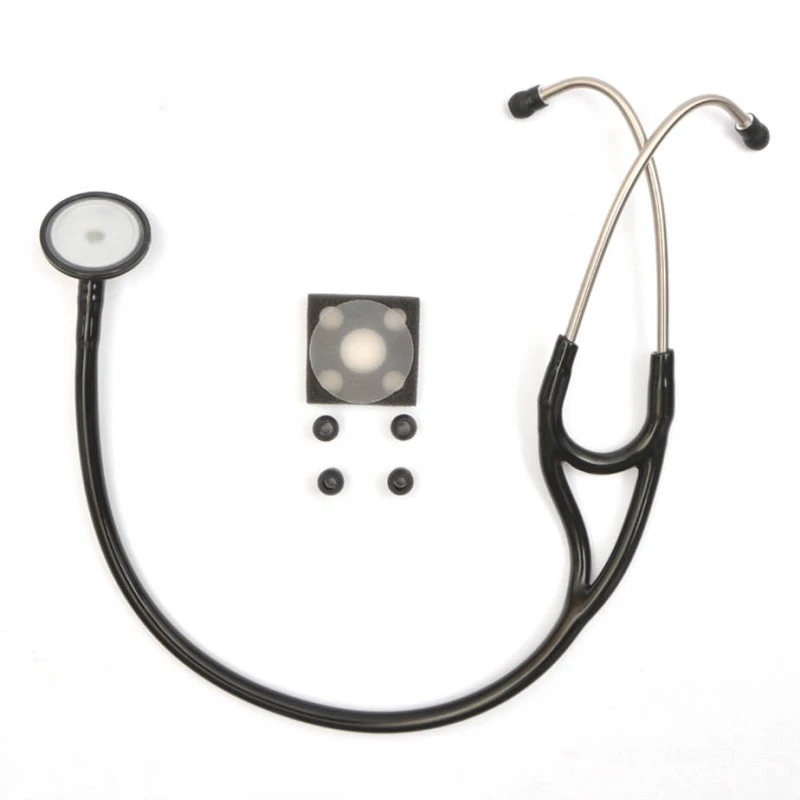

At the end of the day, taking care of your single head stethoscope is a small step that has a big impact. It's a tool that helps you care for people, and it deserves the same attention you give to your patients' well-being. If you have questions about cleaning your stethoscope, or if you're looking to purchase a reliable single head stethoscope, feel free to reach out to our team to discuss your needs. We're here to help you find the right tool and share more tips on keeping it clean and working for years.


