


As a supplier of high-quality digital thermometer pens, I've spent years helping customers navigate the ins and outs of temperature measurement-because when it comes to accuracy, convenience, and safety, one size never fits all. Whether you're monitoring your own health, a family member's, a pet's, or even cooking a perfect meal, the right way to use a digital thermometer pen can make the difference between a reliable reading and a frustrating mistake. Over time, I've learned that many people overlook scenario-specific best practices, so today I'm breaking down how to use these tools across everyday situations, with tips I've picked up from working with home users, medical clinics, and even veterinary partners.
First, let's start with the most common use case: human oral temperature measurement. This is where many people grab their thermometer pen and rush to stick it under their tongue, but there's a right (and wrong) way to do it. Oral readings are ideal for older kids and adults, but you need to wait at least 15 minutes after eating, drinking, or smoking-any of these can skew the result by a degree or more, which might lead you to misjudge a fever. When using an oral digital thermometer pen, clean the probe with rubbing alcohol before each use, then place it firmly under the tongue, as far back as possible to the side of the mouth (this area is more consistent than the front). Keep your mouth closed tightly-breathing through your mouth can cool the probe and delay the reading. Once the device beeps, wait another 10 to 15 seconds to confirm the reading, because some lower-quality models take time to stabilize. For this scenario, I often recommend our Digital Thermometer Flex, which has a flexible probe that fits comfortably under the tongue and reduces the risk of accidental biting-something many adults and fussy kids appreciate. You can learn more about it here: /thermometer/digital-thermometer/digital-thermometer-flex.html. It's also worth noting that oral readings are slightly lower than rectal readings in young children, so if you're caring for a toddler, you'll want a different approach.
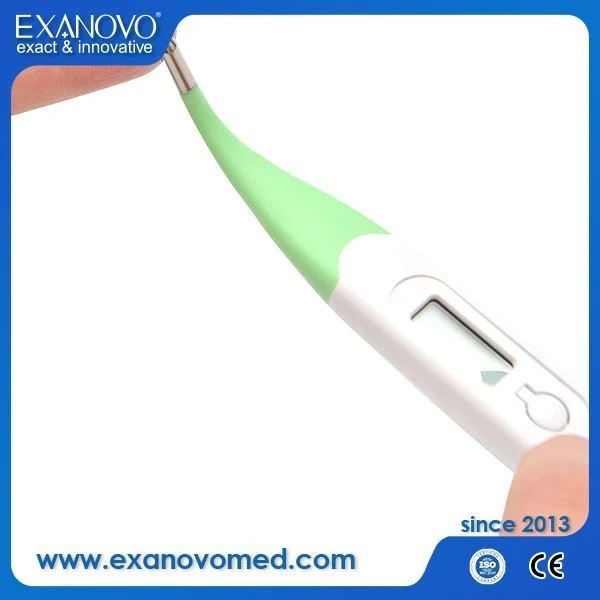

Speaking of young children, rectal temperature measurement is the gold standard for infants under 3 years old, as it's the most accurate. That said, using a digital thermometer pen for rectal readings requires extra gentleness to avoid discomfort or injury. First, lubricate the probe with a small amount of petroleum jelly-this makes insertion smooth and painless. Only insert the tip 0.5 to 1 inch into the rectum; going deeper can damage sensitive tissue, especially in tiny babies. Hold the thermometer in place with one hand (never leave a child unattended with it) until it beeps, then wait 5 seconds to confirm the reading. For this scenario, our Accusure Digital Thermometer is a top choice, because it has a short, rounded probe designed specifically for pediatric use, and a clear, backlit display that's easy to read while holding a wiggly baby. I've had many parents tell me this model's pediatric design takes the stress out of routine fever checks. Check it out here: /thermometer/digital-thermometer/accusure-digital-thermometer.html. A quick note: if you're nervous about rectal measurements, axillary (armpit) readings are an alternative, though they're less accurate. To get a reliable axillary reading, make sure the armpit is dry, place the probe in the center, and hold the child's arm tightly against their body for the full measurement time.
Moving beyond health, another super common scenario is cooking and food safety. Digital thermometer pens are game-changers for anyone who wants to avoid undercooked meat, which can carry harmful bacteria like salmonella or E. coli. For cooking, you need a thermometer that can handle high temperatures, and you should never insert it into fatty or bony parts of meat-this can lead to false low readings. Instead, insert the probe into the thickest part of the cut, away from bone, fat, and gristle. For example, for a chicken breast, the thick center is where you take the reading; for a steak, avoid the edge and any marbling. Different foods have different safe internal temperatures: 165°F for poultry, 145°F for whole cuts of beef, pork, and lamb, and 160°F for ground meats. For this, our Digital Temp Gauge is perfect-it has a stainless steel probe that can withstand temperatures up to 572°F, and it's fast, giving a reading in just 3 to 5 seconds. I've seen home cooks turn to this model all the time for holiday roasts and weekend grills, because it takes the guesswork out of cooking. Learn more here: /thermometer/digital-thermometer/digital-temp-gauge.html. One pro tip for cooking: take the reading at least 2 minutes after inserting the probe, and for large roasts, check multiple spots to ensure even cooking.
Then there's the often-overlooked scenario of pet temperature measurement. As a supplier, I've worked with vet clinics and pet owners who've struggled with inconsistent readings for dogs, cats, and other animals. Pet temperatures are usually higher than humans'-normal is between 99.5°F and 102.5°F-so accuracy is critical. Rectal measurements are still the most reliable for pets, especially for small animals like cats or toy breeds, but you need to keep the pet calm. Many owners find it helpful to have a second person hold the pet gently but firmly, and use a probe that's small enough for their size. Our Animal-shaped Electronic Thermometer is designed specifically for this use case-its probe is compact, and the fun animal design helps keep pets calm during measurement. I've had cat owners tell me their cats are less resistant to this model than to a standard thermometer pen, because it's less intimidating. You can see it here: /thermometer/digital-thermometer/animal-shaped-electronic-thermometer.html. When taking a pet's temperature, lubricate the probe with petroleum jelly, insert it no more than 1 inch for small pets or 1.5 inches for medium/large dogs, and hold it until the beep. Never force the probe-if the pet resists, you may need to try again later or consult your vet for tips.
Another scenario that's become increasingly important in recent years is post-exercise temperature monitoring, whether for athletes training for a race or people recovering from an illness. When you're active, your body temperature can spike temporarily, so it's best to measure before or right after a workout, not during, to avoid false high readings. For athletes, a digital thermometer pen that's fast and easy to use on the go is key-our Pen Thermometer Digital is slim enough to slip into a gym bag or pocket, so you can take it with you to practices or competitions. It also has a water-resistant design, which is useful for outdoor workouts in rain or sweat. I've had runners and soccer coaches tell me this model is their go-to for monitoring athletes' health and ensuring they're not overexerting themselves. Find out more here: /thermometer/digital-thermometer/pen-thermometer-digital.html. For post-illness monitoring, wait at least 20 minutes after resting to take a reading, to let your body cool back to a stable temperature before checking for lingering fever.
No matter the scenario, there are a few universal best practices that apply to all digital thermometer pen use. First, always clean the probe before and after each use-rubbing alcohol works for most surfaces, but for food thermometers, you can also use hot, soapy water. Second, avoid dropping or bending the probe, as this can damage the internal sensor and lead to inaccurate readings. Third, replace the battery when the display shows a low-battery warning, because a dying battery can slow down the device's response time. Fourth, calibrate your thermometer at least once a year to ensure accuracy-you can do this by testing it in ice water (it should read 32°F) or boiling water (it should read 212°F at sea level).
At the end of the day, the right digital thermometer pen isn't just a tool-it's a small investment in your health, your pet's well-being, or your family's meals. Whether you're a new parent checking a baby's temperature, a home cook perfecting a roast, or a vet technician monitoring a patient, choosing the right model for your scenario makes all the difference. If you're looking to stock up for your clinic, your retail store, or your own home, our team is here to help you find the perfect fit. Contact us to discuss bulk orders, customizations, or more details on any of our products.


