


If you've ever worked with aneroid sphygmomanometers-whether in a busy clinic, a home health setting, or as a supplier-you know these manual blood pressure tools are workhorses. They're reliable, durable, and don't rely on batteries, but their accuracy depends on proper care, especially how you store them. As someone who's spent years providing high-quality aneroid sphygmomanometers to healthcare providers, clinics, and individuals, I've seen firsthand how even small storage missteps can lead to inaccurate readings, cracked components, or a device that needs replacing prematurely. In this blog, I'll break down the science behind storing aneroid sphygmomanometers, share practical tips I've learned from field use and customer feedback, and highlight how the right storage habits can extend the life of your tool.
First, let's start with a quick refresher on what makes aneroid sphygmomanometers different from their electronic counterparts. Unlike digital monitors, which use sensors and circuits, aneroid models rely on a mechanical pressure gauge, a rubber bladder in the cuff, and a series of valves to measure blood pressure. The gauge is made of a flexible metal diaphragm (called a Bourdon tube) that expands or contracts in response to air pressure from the cuff. If this tube is damaged, or if the rubber cuff is misaligned, the entire device's accuracy is off. That's why storage isn't just a matter of "putting it away"-it's about protecting those delicate moving parts.
One of the most common mistakes I see, especially with smaller, handheld models like our Lightweight ABS Palm Type Sphygmomanometer, is cramming it into a drawer with other medical supplies. Think about it: a drawer full of bandages, alcohol swabs, and even other small tools can put pressure on the gauge, bend the Bourdon tube, or stretch the rubber cuff over time. To avoid this, the first rule of storage is to keep your aneroid sphygmomanometer in a dedicated, padded case. Most high-quality models come with a nylon or leather case that's designed to cradle the gauge and cuff securely. If you're using a tool that didn't come with a case, it's worth investing in one-you can even customize a small padded pouch to fit the gauge and cuff snugly. For our PVC Manual Aneroid Sphygmomanometer, which is a popular pick for home health use, the case is lightweight and water-resistant, making it easy to toss into a bag without worrying about damage.
Next, temperature and humidity are two factors that can wreak havoc on aneroid devices. The Bourdon tube and rubber bladder are both sensitive to extreme temperatures. If you store your sphygmomanometer in a hot, attic space or a cold car trunk, the rubber in the bladder can become brittle and crack, and the metal in the gauge can expand, leading to inaccurate readings. Humidity is another issue-high moisture can cause the metal parts of the gauge to rust, and mold can grow inside the cuff if it's not fully dry before being stored. As a general rule, aim to store your aneroid sphygmomanometer in a space with a temperature between 50°F and 86°F (10°C to 30°C) and relative humidity between 30% and 60%. For clinics with limited space, this might mean keeping a few extra handheld models, like our Hand-held Manual Sphygmomanometer, in a climate-controlled storage closet, while keeping active devices in a wall-mounted holder away from direct sunlight.

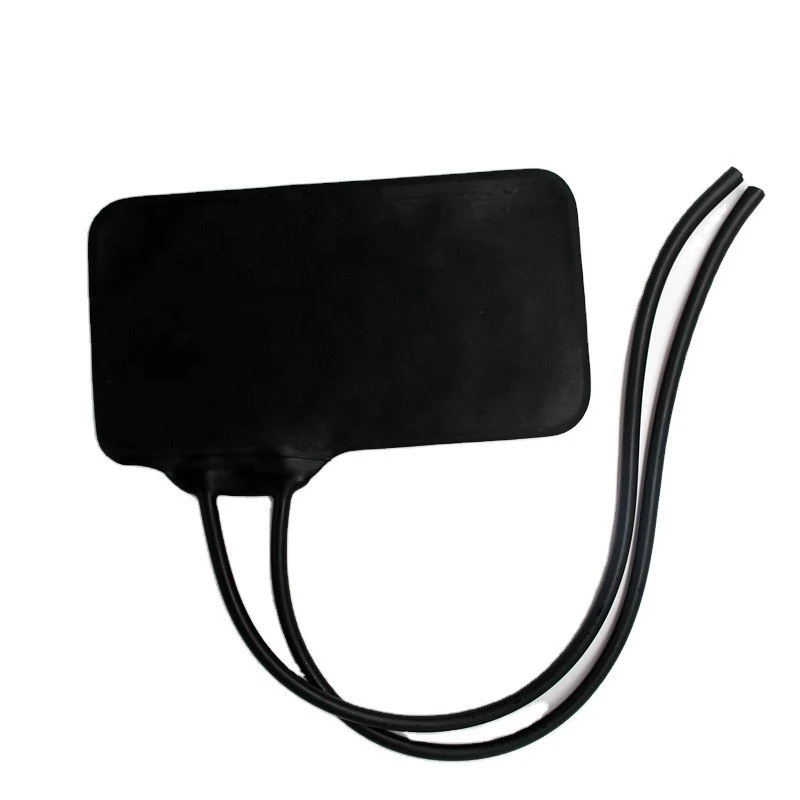
Another key point: always clean and dry your sphygmomanometer before storing it. Cuffs can pick up dirt, oils, and bodily fluids during use, and if you put a damp or dirty cuff away, it's a breeding ground for bacteria and mold. For most cuffs, a gentle wipe with a disinfectant wipe (that's safe for rubber and fabric) is all you need-just make sure it's completely dry before rolling it up and placing it in the case. The gauge itself should never be submerged in water; instead, use a dry cloth to wipe it down, being careful not to get moisture into the small gaps around the glass face. Our Deluxe Handheld Blood Pressure Monitor comes with a set of cleaning instructions, but the same logic applies to all aneroid models.
How you roll and store the cuff is also surprisingly important. Many people make the mistake of tightly folding the cuff or rolling it up around the gauge, which can stretch the rubber bladder over time. The correct way to store the cuff is to gently roll it from the end (the part that goes around the upper arm) towards the connector tube, keeping the folds loose but neat. This ensures the rubber bladder stays in its original shape, so it inflates evenly when you use the device again. For our Clinic Arm Sphygmomanometer, which is a larger, tabletop model, the cuff can be hung on a hook or laid flat in a storage bin, as long as it's not compressed under other items.
For those who use their aneroid sphygmomanometer regularly-like clinic staff or home health nurses-there's an extra step: regular check-ins, even when the device is stored. About once a month, take a minute to inspect the gauge for any dents or scratches, check the cuff for cracks or tears, and make sure the connector tube is free of kinks. You can also perform a quick accuracy test: inflate the cuff to 200 mmHg, then release the valve slowly. The needle on the gauge should drop smoothly, without sticking or jumping. If it doesn't, your device might need calibration, which is a simple process that can be done by a professional or, for many quality models, following the manufacturer's instructions.
Now, why does all this matter beyond just keeping your device working? In a clinical setting, an inaccurate sphygmomanometer can lead to misdiagnosis, which can have serious health consequences for patients. In a home setting, a wrong reading might cause unnecessary stress for someone monitoring their blood pressure. As a supplier, we've seen that customers who follow proper storage practices report 20% fewer issues with their aneroid sphygmomanometers, compared to those who store them haphazardly. That's why we emphasize these tips not just as care advice, but as a way to ensure safety and reliability for every user.
If you're in the market for a new aneroid sphygmomanometer, whether for personal use or for a clinic, it's worth choosing a model that's designed to be easy to store. Our line of products, including the PVC Manual Aneroid Sphygmomanometer, the Deluxe Handheld Blood Pressure Monitor, the Clinic Arm Sphygmomanometer, the Hand-held Manual Sphygmomanometer, and the Lightweight ABS Palm Type Sphygmomanometer, all come with dedicated storage cases and built-in features that protect against temperature and humidity. But even with a high-quality device, proper storage is key to getting the most out of it.
Whether you're a healthcare professional managing a busy clinic or an individual monitoring blood pressure at home, taking the time to store your aneroid sphygmomanometer correctly will save you money, reduce stress, and ensure accurate readings every time. If you're ready to upgrade your current device or add more to your clinic's inventory, feel free to get in touch with our team to discuss your needs. We're here to help you find the right product and answer any questions you have about storage, use, and maintenance.


