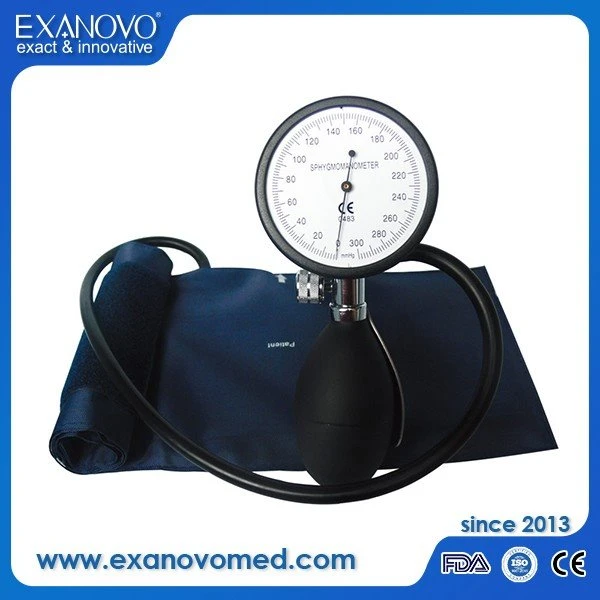
1. Calibration Check
Regular calibration: It is recommended to have a professional calibrator perform calibration every 6 months to 1 year. Uncalibrated devices may have an error exceeding 5 mmHg.
Comparative measurement: Take three consecutive measurements with a mercury sphygmomanometer or electronic sphygmomanometer under the same conditions (after sitting still for 5 minutes). Compare the average value. Any difference exceeding 5 mmHg requires servicing.
2. Cuff and Wearing Instructions
Cuff Size: The cuff should cover 80% of the circumference of the upper arm, with the center of the cuff aligned with the brachial artery. The cuff should be loose enough to allow insertion of 1-2 fingers.
Wearing Position: The lower edge should be 2-3 cm from the antecubital fossa. Excessively tight or too loose a cuff can result in a systolic blood pressure error of more than 10 mmHg.
3. Measurement Environment and Operation
Environmental Requirements: Room temperature should be 20-25°C (18-25°F). Avoid cold or noisy environments. Sit still for 5 minutes before measurement. Posture Guidelines: Sit with your back straight, arms at heart height, feet flat on the ground, and remain calm during measurement.
4. Device Condition and Maintenance
Spring Performance: Springs may age after prolonged use. Observe the needle to ensure it returns to zero accurately. Replace if errors increase.
Cuff Maintenance: Replace the cuff every two years to prevent rubber aging from affecting the seal.
5. Special Precautions
Indicators: Individuals with irregular heartbeats (such as atrial fibrillation) may experience changes in aneroid blood pressure meter readings. A digital blood pressure monitor is recommended.
Record Comparison: During long-term monitoring, regularly compare results with those obtained at the clinic. If errors persist, the blood pressure monitor should be sent for inspection.