


In the realm of medical equipment, the cardiac stethoscope holds a crucial position, serving as a cornerstone tool for healthcare professionals to diagnose and monitor heart and lung conditions. As a dedicated supplier of cardiac stethoscopes, this article aims to explore whether all doctors use cardiac stethoscopes, delving into the reasons behind their usage and non - usage, and highlighting the importance of these devices in modern healthcare.
The Role of Cardiac Stethoscopes in Medicine
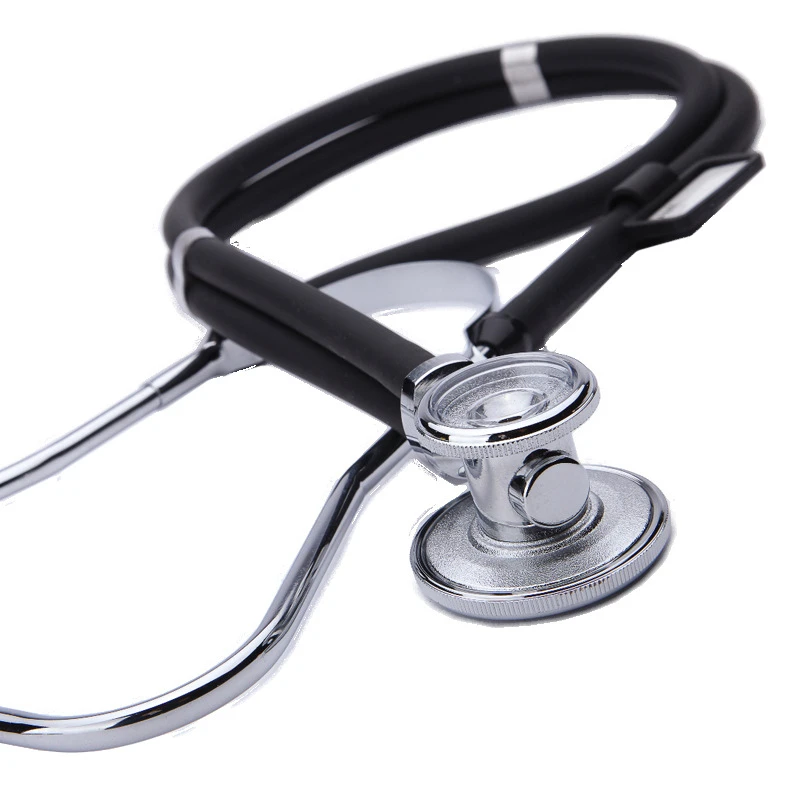
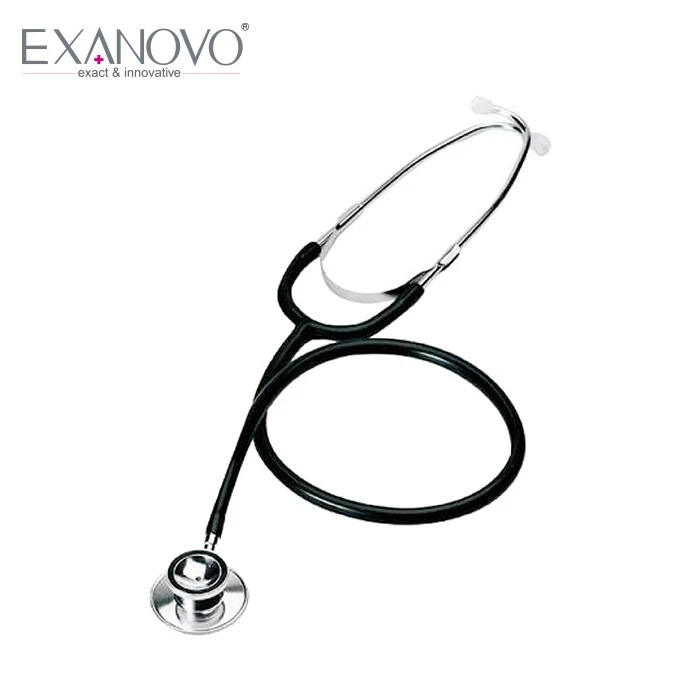
Cardiac stethoscopes are specifically designed to detect subtle sounds related to the heart and blood flow. The traditional stethoscope, a well - known medical instrument, has been a symbol of the medical profession for centuries. However, cardiac stethoscopes take the functionality a step further. They are engineered to pick up the delicate and nuanced heart sounds, enabling doctors to identify irregularities such as murmurs, arrhythmias, and valve dysfunctions.
For example, the first and second heart sounds, known as S1 and S2, are the basic sounds that a normal heart produces. A cardiac stethoscope can help doctors distinguish these sounds clearly. Any abnormal heart sounds, like an extra sound (S3 or S4), can indicate underlying heart diseases such as heart failure or cardiomyopathy. By listening carefully to these sounds, doctors can make an initial diagnosis, which can significantly influence the subsequent treatment options.
Do All Doctors Use Cardiac Stethoscopes?
The short answer is no. Not all doctors use cardiac stethoscopes in their daily practice. The usage of cardiac stethoscopes varies greatly depending on the doctor's specialty.
Specialties That Commonly Use Cardiac Stethoscopes
- Cardiologists: Cardiologists are the primary users of cardiac stethoscopes. Their entire field of expertise revolves around the heart. They rely on cardiac stethoscopes to perform a comprehensive cardiovascular examination. Cardiologists need to detect even the slightest changes in heart sounds, as these can be early indicators of serious heart diseases. For them, a high - quality cardiac stethoscope is an indispensable tool, often using the most advanced models available in the market. For instance, they may use the Most Powerful Stethoscope to accurately diagnose complex cardiac conditions.
- Family Practitioners: Family practitioners are often the first point of contact for patients. They need to have a broad knowledge of different medical conditions, including cardiovascular problems. They use cardiac stethoscopes during routine check - ups to screen for any potential heart issues. Since they see patients of all ages and health profiles, being able to listen to the heart is an important part of their physical examination. For example, when a patient comes in with complaints of chest pain, a family practitioner can use a cardiac stethoscope to quickly assess the heart's condition and decide whether further referrals to a specialist are necessary.
- Internal Medicine Specialists: These doctors are trained to diagnose and treat a wide range of internal organ diseases, including heart problems. Cardiac stethoscopes are essential for them to evaluate the cardiovascular system in the context of other medical conditions. For example, if a patient with diabetes has a high risk of developing heart disease, an internal medicine specialist can use a cardiac stethoscope to monitor the heart's function and detect any early signs of cardiac complications.
Specialties That May Not Use Cardiac Stethoscopes Regularly
- Dermatologists: Dermatologists focus on the diagnosis and treatment of skin conditions. Their work mainly involves visual inspection, skin biopsies, and the prescription of topical medications. Since their area of expertise has little to do with the heart, they rarely use cardiac stethoscopes.
- Ophthalmologists: Ophthalmologists deal with the eyes. Their examinations are centered around visual acuity tests, eye pressure measurements, and the inspection of the eye's internal structures. The heart is not part of their primary diagnostic scope, so cardiac stethoscopes are not commonly used in their practice.
- Orthopedic Surgeons: Orthopedic surgeons are concerned with the musculoskeletal system, including bones, joints, muscles, and ligaments. Their diagnostic methods involve physical examinations of the affected body parts, X - rays, and other imaging techniques. They do not typically use cardiac stethoscopes in their day - to - day work, unless they are performing pre - operative evaluations to assess a patient's overall health.
Factors Influencing the Use of Cardiac Stethoscopes
- Advancement in Diagnostic Technology: With the rapid development of medical technology, there are now many advanced diagnostic tools available, such as echocardiograms, electrocardiograms (ECGs), and cardiac magnetic resonance imaging (MRI). These technologies can provide detailed and accurate information about the heart's structure and function. Some doctors may rely more on these high - tech tools, especially in complex cases. However, cardiac stethoscopes still play an important role, as they are a quick and cost - effective way to perform an initial assessment.
- Training and Experience: Doctors who have received extensive training in cardiovascular auscultation are more likely to use cardiac stethoscopes effectively. Medical schools and training programs vary in the emphasis they place on teaching auscultation skills. Doctors who have had more hands - on experience with cardiac stethoscopes during their training are more confident in using them in their practice.
- Patient Population: The type of patients a doctor sees can also influence the use of cardiac stethoscopes. For example, a doctor in a rural area may see a higher proportion of patients with limited access to advanced diagnostic tests. In such cases, the doctor may rely more on a cardiac stethoscope to make a preliminary diagnosis. On the other hand, doctors in large urban hospitals may have easier access to high - tech diagnostic equipment and may use cardiac stethoscopes less frequently.
The Importance of Cardiac Stethoscopes in Healthcare
Despite the availability of advanced diagnostic tools, cardiac stethoscopes remain an important part of medical practice. They are portable, non - invasive, and can be used at the patient's bedside or in a clinic setting. Cardiac stethoscopes allow doctors to quickly assess a patient's heart status, which is crucial in emergency situations. For example, in a cardiac arrest scenario, a doctor can use a stethoscope to confirm the absence of a pulse and the presence or absence of heart sounds, which can guide immediate resuscitation efforts.
Moreover, cardiac stethoscopes are also used in preventive healthcare. By listening to the heart during routine check - ups, doctors can detect early signs of heart disease, even in asymptomatic patients. Early detection can lead to timely treatment and better patient outcomes.
Different Types of Cardiac Stethoscopes and Their Applications
There are various types of cardiac stethoscopes available in the market, each with its own features and applications.
- Acoustic Cardiac Stethoscopes: These are the traditional stethoscopes that rely on the transmission of sound through air - filled tubes. They are simple, reliable, and widely used. Acoustic stethoscopes are suitable for general physical examinations and basic cardiac auscultation. For nurses, Stethoscope For Nurses often fall into this category, as they are easy to use and can meet the basic needs of patient monitoring.
- Electronic Cardiac Stethoscopes: Electronic stethoscopes use electronic sensors to amplify and filter heart sounds. They are more sensitive than acoustic stethoscopes and can be used in noisy environments. Electronic stethoscopes are often used in specialized cardiac clinics or research settings, where accurate detection of subtle heart sounds is required.
- Home Medical Stethoscopes: With the increasing trend of home healthcare, there are now stethoscopes designed for home use. Home Medical Stethoscopes are usually more user - friendly and can be used by patients or their family members under the guidance of a healthcare professional. They are a convenient way to monitor heart health at home, especially for patients with chronic heart diseases.
Conclusion
In conclusion, not all doctors use cardiac stethoscopes, as the usage depends on the doctor's specialty, the advancement of diagnostic technology, training, and patient population. However, cardiac stethoscopes are still an essential tool in modern healthcare, playing a vital role in the diagnosis and monitoring of heart conditions.
As a supplier of high - quality cardiac stethoscopes, we understand the diverse needs of healthcare professionals. Whether you are a cardiologist in need of the most powerful stethoscope for accurate diagnosis or a nurse looking for a reliable stethoscope for patient monitoring, we have the right products for you. If you are interested in our cardiac stethoscopes, we invite you to contact us for procurement discussions and explore how we can meet your specific requirements.


