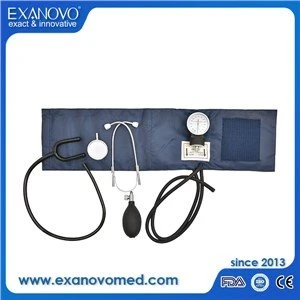

Measuring blood pressure on the right arm is an important health - related task, and having the right blood pressure monitor can significantly enhance the accuracy and convenience of this process. As a Blood Pressure Monitor supplier, we understand the nuances of using these devices effectively, and we're here to guide you through the process of measuring blood pressure on the right arm.
Preparation
Before starting to measure your blood pressure, it's crucial to ensure that you're in the right state and environment. First, find a quiet and comfortable place where you can sit undisturbed for a few minutes. Avoid consuming caffeine, smoking, or engaging in strenuous physical activity for at least 30 minutes before the measurement. These factors can cause temporary spikes in blood pressure, leading to inaccurate readings.
Wear loose - fitting clothing that allows easy access to your right arm. Remove any tight bracelets or sleeves that might constrict blood flow. Sit in a chair with your back supported and your feet flat on the floor. Keep your right arm relaxed and at heart level. You can rest it on a table or armrest to maintain the proper position.
Choosing the Right Blood Pressure Monitor
As a Blood Pressure Monitor supplier, we offer a wide range of monitors to suit different needs. For example, the LCD Voice Function Digital Blood Pressure Monitor is an excellent choice for those who may have difficulty reading the display. It comes with a voice function that announces the measured blood pressure values, making it user - friendly for the elderly or visually impaired.
The Household Digital BPM is designed for home use, providing accurate and reliable readings. It's easy to operate and can store multiple readings, allowing you to track your blood pressure over time.
If you prefer a more basic yet reliable option, the Digital BPM is a great pick. It offers essential blood pressure measurement functions at an affordable price.
For those who want to have a blood pressure monitor for home use, the Home Blood Pressure Monitor is a comprehensive solution. It combines ease of use with high - level accuracy, ensuring that you can monitor your health status in the comfort of your own home.
There's also the tensiomtre grande taille aneroid sphygmomanometer, a traditional option that some people prefer. It provides a classic way of measuring blood pressure and is suitable for those who are familiar with its operation.

Cuff Placement
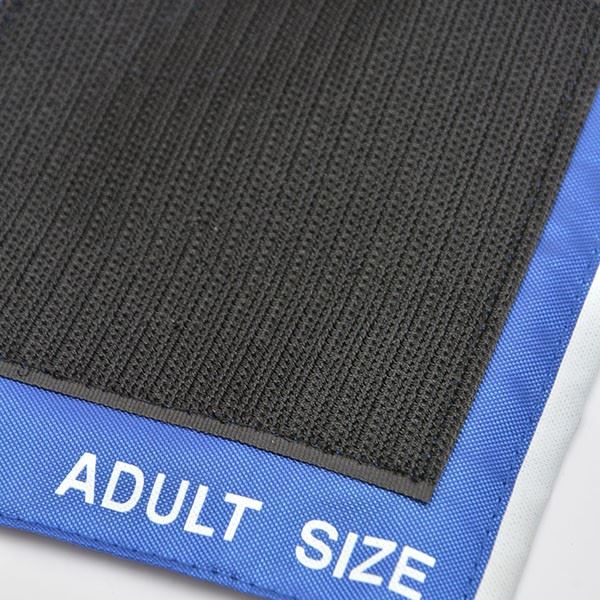
Once you've chosen the right blood pressure monitor, it's time to focus on cuff placement. The cuff is a critical part of the blood pressure measurement process, as an improper placement can lead to inaccurate results.
First, select the appropriate cuff size. Most monitors come with a standard - sized cuff, but if you have a larger or smaller arm circumference, you may need a different size. A cuff that is too small will give a falsely high reading, while a cuff that is too large may result in a falsely low reading.
Wrap the cuff around your right upper arm. The bottom edge of the cuff should be about 1 inch (2.5 cm) above the bend of your elbow. Make sure the cuff is snug but not too tight. You should be able to slip one finger under the cuff. The tubing of the cuff should be centered over the brachial artery, which is located on the inside of your arm, just above the elbow.
Taking the Measurement
After the cuff is properly placed, turn on the blood pressure monitor. Follow the specific instructions provided with your device. In most cases, you'll need to press a start button, and the monitor will start inflating the cuff automatically.
As the cuff inflates, it restricts the blood flow in your arm. Once the cuff reaches a certain pressure, it will start to deflate slowly. During this process, the monitor measures the blood pressure by detecting the vibrations of the blood vessels.
Stay still and quiet during the measurement. Do not talk, move your arm, or tense your muscles, as these actions can affect the accuracy of the reading. The measurement usually takes about 30 seconds to 1 minute.
When the measurement is complete, the monitor will display the systolic and diastolic blood pressure values along with your pulse rate. The systolic pressure is the top number, which represents the pressure in your arteries when your heart beats. The diastolic pressure is the bottom number, indicating the pressure in your arteries when your heart is at rest between beats.
Recording and Interpreting Results
It's important to record your blood pressure readings to track your health over time. You can use a notebook or a dedicated health - tracking app to record the date, time, systolic pressure, diastolic pressure, and pulse rate.
Normal blood pressure is generally considered to be less than 120/80 mmHg. Elevated blood pressure is defined as a systolic pressure between 120 - 129 mmHg and a diastolic pressure less than 80 mmHg. Stage 1 hypertension is a systolic pressure between 130 - 139 mmHg or a diastolic pressure between 80 - 89 mmHg. Stage 2 hypertension is a systolic pressure of 140 mmHg or higher or a diastolic pressure of 90 mmHg or higher.
If your blood pressure readings are consistently high or abnormal, it's essential to consult a healthcare professional for further evaluation and advice.
Tips for Accurate Measurement
- Multiple Readings: For more accurate results, take 2 - 3 readings, with a 1 - 2 - minute interval between each reading. Then, calculate the average of these readings.
- Regular Check - ups: Measure your blood pressure regularly, especially if you have a family history of high blood pressure, diabetes, or other cardiovascular diseases.
- Calibration: Periodically calibrate your blood pressure monitor according to the manufacturer's instructions to ensure its accuracy.
Conclusion
Measuring blood pressure on the right arm is a simple yet crucial task for maintaining your health. Our range of blood pressure monitors provides different options to meet your specific requirements. Whether you need a basic model or a high - tech device with advanced features, we have the perfect solution for you.
If you're interested in our blood pressure monitors and want to discuss purchasing options, feel free to reach out to us to start the procurement negotiation. We're committed to providing high - quality products and excellent customer service.