


How do I calibrate an electric thermometer?
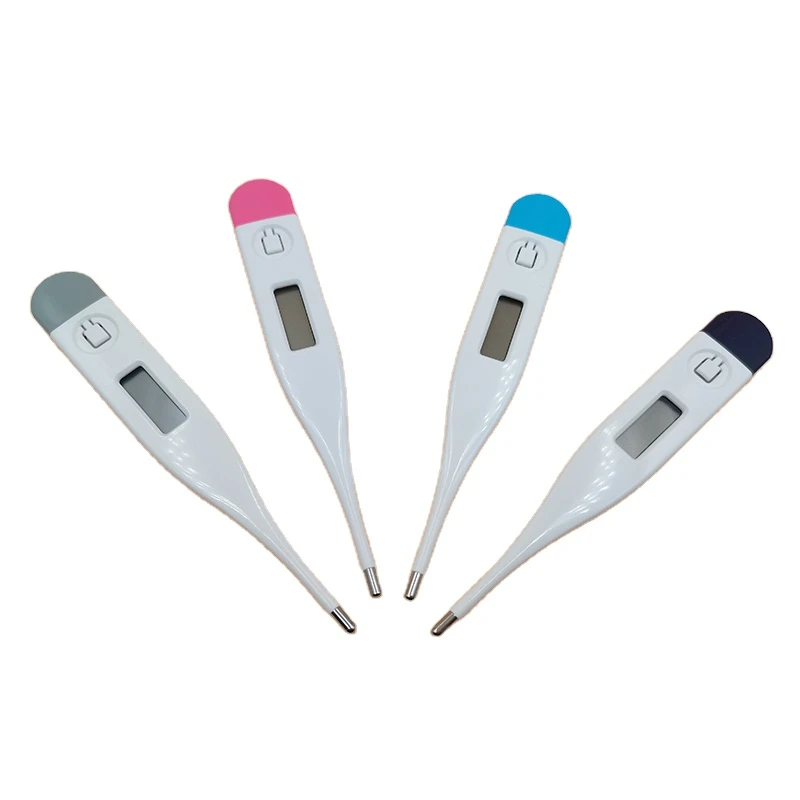
Hey there! If you're a customer who's got one of our electric thermometers or considering buying from us, we're here to shed some light on the calibration process. As an electric thermometer supplier, we know how crucial it is to have an accurate thermometer, whether it's for personal use at home or in a professional setting like a medical office.
Electric thermometers have become a staple in many households and healthcare facilities because they're quick, easy to use, and generally pretty reliable. But over time, even the best thermometers can fall out of calibration, leading to inaccurate readings. That's where calibration comes in, and we're going to walk you through the process step by step.
Why Calibration is Important
Before we dive into the how-to, let's talk about why you should even bother calibrating your thermometer. An accurate thermometer is essential for making informed decisions about your health. If your thermometer is off by just a degree or two, it could lead you to misinterpret your body temperature. For example, you might think you have a fever when you don't, or vice versa. In a medical setting, inaccurate readings could have even more serious consequences, potentially leading to misdiagnosis or improper treatment.
Types of Electric Thermometers We Offer
We offer a wide range of electric thermometers to suit your needs. Here are some of our popular products:
- Flexible Digital Thermometer Waterproof: This thermometer is super flexible and waterproof, making it great for oral, rectal, or armpit use. It's also easy to clean and comes with a protective case.
- Digital LCD Thermometer: With a clear LCD display, this thermometer shows your temperature quickly and accurately. It's simple to use and is a great option for everyday use at home.
- Waterproof Alarm Digital Thermometer: This one not only gives accurate readings but also has an alarm feature. It'll beep when it reaches the maximum temperature, so you don't have to keep an eye on it all the time. And of course, it's waterproof, making it easy to clean.
- Instant Flexible Digital Thermometer: As the name suggests, it gives you an instant reading. The flexible tip makes it comfortable to use, and it's suitable for different measurement methods.
- Armpit Temperature Digital Thermometer: Designed specifically for armpit use, this thermometer is easy to hold and provides accurate readings in a short time.
Calibration Methods
There are a couple of common methods to calibrate an electric thermometer, and we'll go over both of them.
Ice Water Method
This is one of the most straightforward ways to calibrate your thermometer. You'll need:
- A large glass or container
- Ice cubes
- Distilled water
- A stirring utensil
Here's how you do it:
- Fill the glass or container about halfway with ice cubes.
- Add distilled water until the glass is almost full. Make sure the water completely covers the ice cubes.
- Stir the mixture well with the utensil for about 30 seconds. This helps ensure that the temperature in the glass is uniform, which is around 32°F (0°C).
- Wait a couple of minutes to let the temperature stabilize.
- Place the thermometer probe into the ice water mixture. Make sure the probe is fully submerged but doesn't touch the sides or bottom of the glass.
- Wait for the thermometer to display a reading. If it's a high - quality electric thermometer, it should show a reading close to 32°F (0°C).
- If the reading is off, most modern electric thermometers have a calibration button. Consult your thermometer's user manual to find out how to adjust the reading. Some may require you to press a series of buttons to enter the calibration mode and then adjust the temperature according to the difference from the actual 32°F.
Boiling Water Method
The boiling water method is a bit more tricky as the boiling point of water can vary depending on your altitude. At sea level, water boils at 212°F (100°C). You'll need:

- A pot with a lid
- Distilled water
- A heat source (like a stovetop)
- A long - handled utensil
Here's the process:
- Fill the pot about halfway with distilled water and put the lid on.
- Turn on the heat source and bring the water to a boil. Keep the lid on to maintain the steam inside the pot.
- Once the water is boiling steadily, use the long - handled utensil to hold the thermometer probe just below the surface of the boiling water. Be careful not to let the probe touch the bottom or sides of the pot.
- Wait for the thermometer to give a reading. At sea level, it should read 212°F (100°C).
- If the reading is incorrect, refer to your thermometer's manual to calibrate it. For areas above sea level, you'll need to adjust the expected boiling point according to your altitude. You can find altitude - boiling point conversion charts online.
Tips and Tricks
-
Always use distilled water for calibration. Tap water can contain impurities that might affect the accuracy of the calibration.
-
Make sure the thermometer probe is clean before calibration. A dirty probe can give inaccurate readings.
-
If your thermometer is really off and you can't calibrate it using the methods above, it might be time to replace it. However, most of our thermometers are built to last and can be easily calibrated.
-
When using the ice water or boiling water method, take multiple readings to ensure accuracy. Sometimes, the first reading might be a bit off due to the thermometer adjusting to the new temperature suddenly.
Conclusion
Calibrating your electric thermometer is a simple but important task. It ensures that you're getting accurate temperature readings, which is crucial for your health and well - being. We hope this guide has been helpful to you. If you have any questions about calibration or if you're interested in purchasing one of our high - quality electric thermometers, we're here to assist you. Feel free to contact us to start a conversation about your needs and how we can support you.


