


Do handheld digital thermometers need to be sterilized? This is a question that many people, whether they're in a medical setting, a household, or an industrial environment, often ponder. As a supplier of handheld digital thermometers, I'm well - versed in this topic and would like to delve into it in detail.
The Function and Use of Handheld Digital Thermometers
Handheld digital thermometers are incredibly versatile tools. They are commonly used for measuring body temperature, but their applications extend far beyond that. In the medical field, doctors and nurses rely on these thermometers to quickly and accurately assess a patient's health status. They are also used in food service industries to ensure food is cooked to the proper temperature, preventing food - borne illnesses. At home, parents use them to check their children's temperatures when they suspect a fever.
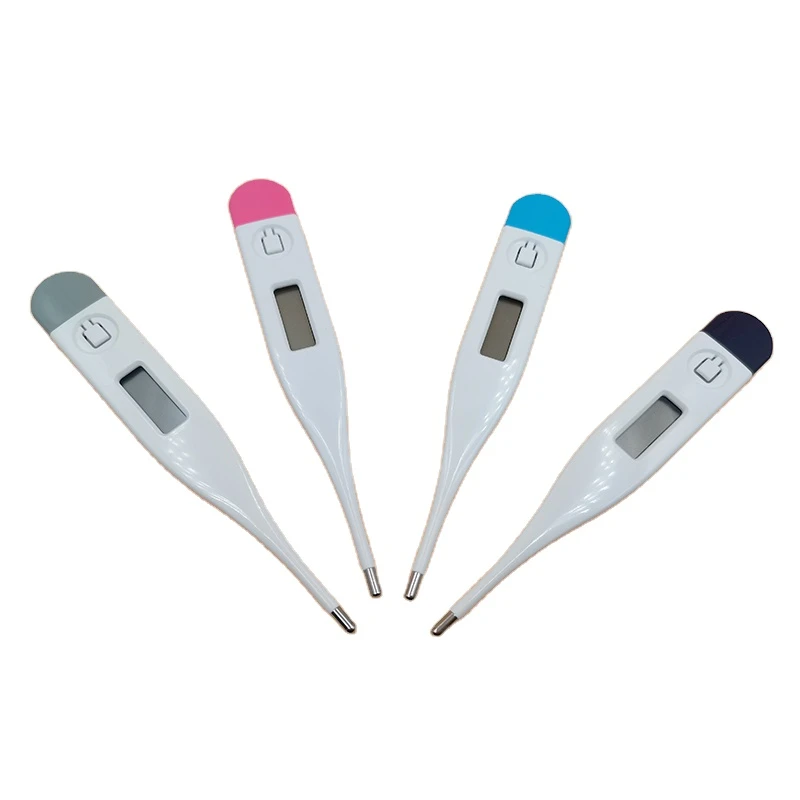
We offer a wide range of handheld digital thermometers to meet different needs. For instance, our LCD Display Digital Thermometers provide clear and easy - to - read temperature readings. They are suitable for both medical and household use, with a user - friendly design that makes them accessible to people of all ages. Our WaterProof Digital Thermometer With LCD is an excellent choice for those who need to measure temperature in wet or humid environments. It can be easily washed, which is a crucial feature when considering sterilization.
Reasons for Sterilizing Handheld Digital Thermometers
- Prevent Cross - Contamination: When a thermometer is used on multiple individuals, there is a high risk of cross - contamination. Bacteria, viruses, and other pathogens can be transferred from one person to another through the thermometer. For example, if a thermometer is used to measure the temperature of a patient with a contagious disease and then immediately used on a healthy person without sterilization, the healthy person may become infected. In a hospital or clinic setting, where there are many patients with various illnesses, cross - contamination can lead to a rapid spread of diseases.
- Maintain Accuracy: Over time, dirt, debris, and biological matter on the thermometer can affect its accuracy. If the sensor is covered with a layer of grime, it may not be able to accurately detect the temperature. Sterilization helps to keep the thermometer clean and in proper working condition, ensuring that the temperature readings are as accurate as possible.
- Hygiene Standards: In many industries, maintaining high hygiene standards is mandatory. In the medical sector, regulatory bodies require medical devices, including thermometers, to be properly sterilized between uses. In food service, thermometers used to measure food temperature must be kept clean to prevent food contamination.
Methods of Sterilizing Handheld Digital Thermometers
- Alcohol Wiping: One of the simplest and most common methods of sterilizing a handheld digital thermometer is by wiping it with alcohol. A 70% isopropyl alcohol solution is ideal. First, turn off the thermometer. Then, soak a cotton ball or a soft cloth in the alcohol solution and gently wipe the probe and the body of the thermometer. Make sure to cover all surfaces, especially the tip where it comes into contact with the object or person whose temperature is being measured. Allow the thermometer to air - dry completely before using it again. This method is quick, inexpensive, and effective against a wide range of bacteria and viruses.
- UV Sterilization: Ultraviolet (UV) light can be used to kill bacteria and viruses. There are UV sterilization boxes available in the market that are specifically designed for medical devices, including thermometers. Place the thermometer inside the UV sterilization box and turn it on for the recommended period. UV light damages the DNA and RNA of microorganisms, preventing them from replicating. However, UV sterilization may not be as effective against certain types of spores, and it requires specialized equipment.
Special Considerations for Different Types of Thermometers
- Waterproof Digital Thermometer With Flexible Probe: These thermometers have a flexible probe that can be bent to reach different angles. The waterproof feature makes them easier to clean and sterilize. You can submerge the probe in a mild disinfectant solution for a short period, as long as you follow the manufacturer's instructions. After that, rinse it thoroughly with clean water and dry it.
- Armpit Temperature Thermometer For Child and Armpit Temperature Digital Thermometer: These thermometers are designed to measure body temperature in the armpit. Since they come into contact with the skin, proper sterilization is essential. When using an alcohol wipe, be careful not to get alcohol in the battery compartment or other sensitive parts of the thermometer.
Situations Where Sterilization May Not Be Necessary
In some cases, sterilization may not be strictly necessary. For example, if a thermometer is used exclusively for one person in a household setting, the risk of cross - contamination is relatively low. However, it's still a good practice to keep the thermometer clean. Wiping it with a clean cloth periodically can help remove any dirt or sweat that may accumulate on the surface.

Conclusion
In conclusion, while there are situations where sterilization of handheld digital thermometers may not be an absolute necessity, in most cases, it is highly recommended. Sterilization helps to prevent cross - contamination, maintain accuracy, and meet hygiene standards. As a supplier of high - quality handheld digital thermometers, we are committed to providing products that are not only accurate but also meet the highest standards of hygiene.
If you are looking for reliable handheld digital thermometers or have any questions regarding their use and maintenance, feel free to reach out to us for procurement and further discussions. We are here to assist you in making the best choice for your needs.


